
Alcohol consumption leads to various short-term feeling drunk when sober effects such as relaxation, lowered inhibitions, increased sociability, and euphoria. However, it can also be accompanied by impaired judgment, coordination, and motor skills 4. Alcohol can impair inhibitory control and cognitive function, affecting decision-making and overall cognitive abilities.
The 5 Stages of Being Drunk
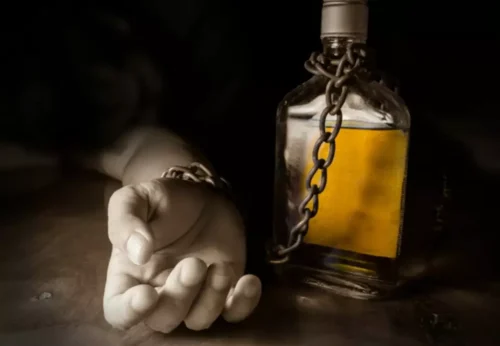
The stupor stage occurs when a person has consumed a dangerously high amount of alcohol, pushing their body and brain to critical limits. At this stage, the individual’s blood alcohol concentration (BAC) is alarmingly elevated, typically well beyond the threshold for alcohol poisoning. Nausea and vomiting are common, as the body attempts to rid itself of the excessive alcohol. They may also struggle to stay conscious, slipping in and out of awareness or completely passing out. The body’s ability to regulate essential functions, like temperature and breathing, starts to falter, posing a significant threat to the individual’s health.

Gender Differences in Substance Use
While the person may feel more at ease and sociable, their ability to make decisions or accurately assess their level of intoxication may be affected. Drug rehab involves a comprehensive process of detoxification, personalized therapy, and ongoing drug addiction treatment aftercare to help individuals overcome substance abuse and maintain long-term sobriety. By addressing both the physical and psychological aspects of addiction, rehab provides the necessary support and resources for successful recovery.
- Excessive drinking can lead to severe health issues, both in the short term and long term.
- Over time, excessive alcohol consumption can cause changes in the brain, including the shrinking of brain cells and potentially reducing brain size.
- As our blood alcohol concentration (BAC) increases with more drinking, the depressant effects become more pronounced.
- Alternatively, it could indicate a desire for escapism or a need to let loose and have fun.
- Despite how severe their condition might be, the person may not fully comprehend the danger they are in due to their mental and physical impairment.
- Overall, the symbolic transformation represented by being drunk in a dream serves as a reminder that change is a natural part of life.
Inpatient Rehabilitation at Conifer Park: A Structured Path to Recovery

Dreaming of being drunk can also represent a release from social inhibitions. In our dreams, we may feel more comfortable expressing ourselves or taking risks that we wouldn’t normally take. This can be liberating and allow us to explore different aspects of our personality. Alcohol affects the central nervous system, altering brain chemistry and influencing various cognitive functions.
Being Drunk vs. Being High: Key Differences
- These effects might show up quickly after just one drink or develop after a few drinks, such as loss of consciousness or slurred speech.
- This can lead to a loss of control and inhibition, allowing us to experience things we may not be able to in our waking lives.
- Unlock personal development with common CBT techniques, from journaling to homework strategies.
- Plus, being below the “legal limit” of intoxication does not necessarily protect you from the legal repercussions of behaving recklessly.
- Dreaming about being drunk can be a reminder to look within and examine our desires for freedom and self-expression.
It may be a reflection of a situation where we feel powerless or unable to make decisions. For some, the feeling of intoxication in a dream may be purely pleasurable, filled with joy and a sense of liberation. It can be an escape from the constraints of everyday life, enabling individuals to let go of their inhibitions and engage in spontaneous and uninhibited behavior. While “tipsy” has no standard definition, it generally refers to the period after one or two drinks but before we reach the legal definition of intoxication (more on that in the next section).
How Long Does Medicare Pay for Inpatient Rehab?

Social cues become harder to https://ecosoberhouse.com/ interpret, leading to awkward or misjudged responses in conversations. Their ability to assess their surroundings and actions diminishes, which can result in poor decision-making, such as continuing to drink despite obvious signs of intoxication. Alcohol can interfere with the brain’s communication pathways, affecting mood, behavior, clarity of thought, and coordination. Short-term effects of alcohol use can include lowered inhibitions, relaxation, and impaired judgment.
Recovery Begins Here
- When alcohol enters the bloodstream, it travels to the brain, where it affects neurotransmitters—chemical messengers that transmit signals between nerve cells.
- From that first sip, it takes only five minutes to reach your brain where feel-good endorphins are released.
- These laws aim to deter individuals from operating a vehicle while under the influence of drugs.
The first week is the most difficult as far as the severity of withdrawal symptoms goes. With the help of our Georgia alcohol detox centers and therapy services, we can help to provide a treatment that gets you through those first weeks easier with a goal of long-term recovery. When a person consumes alcohol beyond the recommended limits for social drinking, they enter the stage of being drunk, where both physical and mental impairments become increasingly evident. At this point, those around them will often notice significant changes in their behavior, such as erratic actions, exaggerated emotions, or inappropriate social interactions. Friends or companions may start suggesting the individual stop drinking, as their intoxication becomes more concerning. The person may exhibit a range of noticeable symptoms, such as excessive laughter, overconfidence, or even agitation.